Beginning First Assessment Through Repair: Patient'S Manual About The EVO ICL Procedure


Short Article Created By-Jepsen Aguilar
Because more people seek efficient options for sight improvement, the Implantable Collamer Lens procedure has emerged as a popular alternative to conventional techniques such as LASIK. If you're dealing with issues of nearsightedness, astigmatism, or just looking for a lasting fix to enhance your eyesight, EVO ICL offers distinct advantages worth thinking about. This guide is designed to guide you through the complete process, starting with your first consultation to recovery, helping you make knowledgeable choices about your eye health.
Understanding what EVO ICL procedure entails, its advantages, and how it compares to other options such as LASIK or photorefractive keratectomy can have all the impact in achieving the visual clarity you desire. With https://mgyb.co/s/zEXgN from experts and real patient experiences, this article will provide you with crucial details on all aspect of the process, covering safety, costs, and healing timelines. If you are thinking about sight improvement but are uncertain if EVO ICL is the best option for you, read on to find out how this innovative treatment could change your sight.
Grasping Evo Implantable Collamer Lens
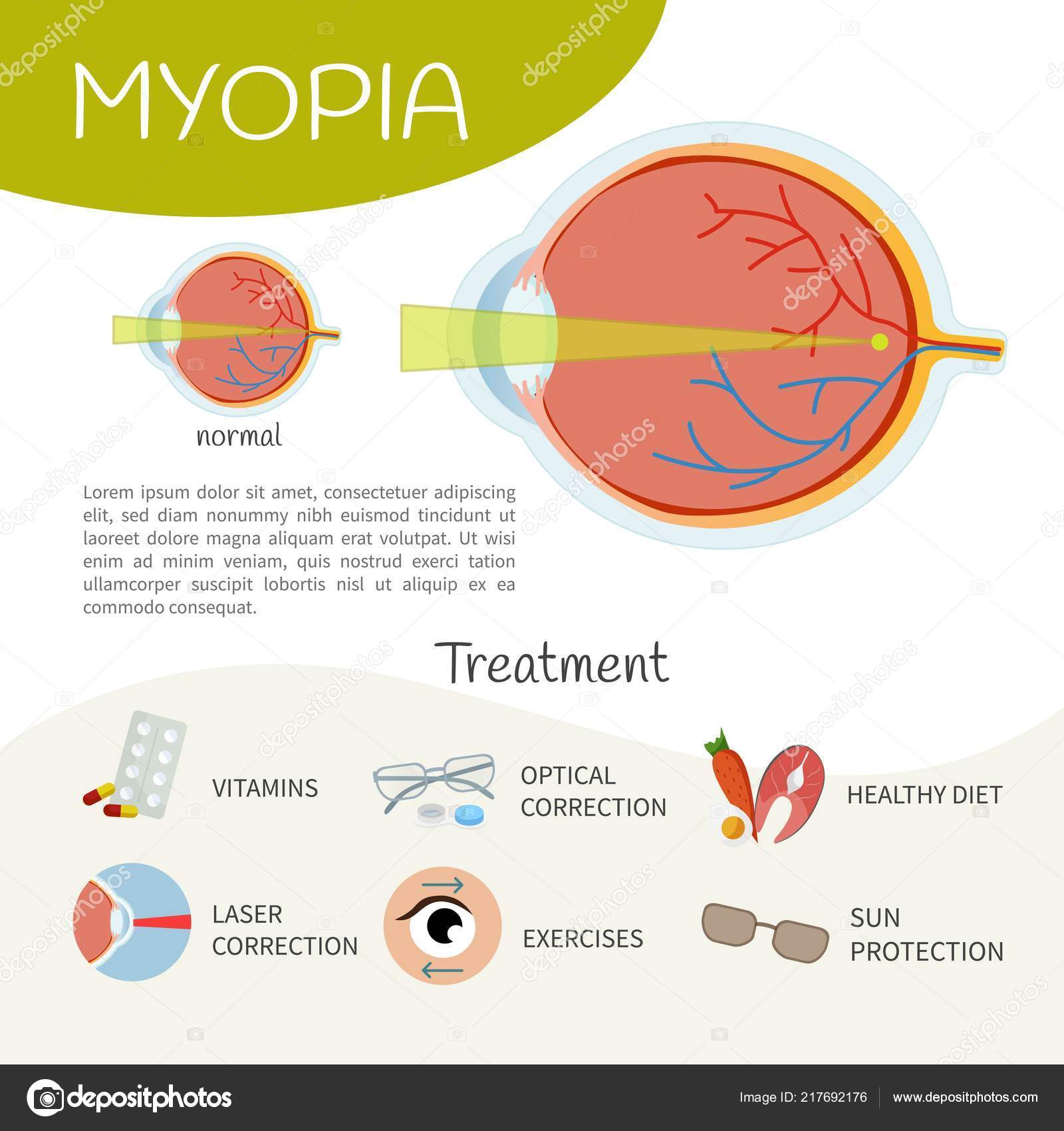
Evo ICL, or the Evo ICL, is an innovative vision improvement procedure developed to tackle various visual errors, including nearsightedness, irregular curvature of the eye, and along with extreme shortsightedness. Unlike traditional options, such as laser surgery, the EVO ICL procedure involves implanting a body-friendly lens behind the colored part of the eye to enhance vision without altering the outer layer of the eye. The lens functions in harmony with the eye’s anatomy, offering patients a possibly reversible solution to vision improvement.
One of the main gains of EVO ICL is its potential to provide long-lasting vision correction for individuals who may not be suitable candidates for LASIK, especially those with slender corneas or extreme vision issues. The Implantable Collamer Lens is made to be a reliable and effective alternative, yielding a quick recovery time and minimal discomfort. Patients can appreciate clearer vision and a lessened dependence on glasses or contact lenses shortly following the procedure.
Another important advantage of the Evo ICL procedure is its reduced incidence of side effects. Unlike alternative vision correction techniques, patients often report reduced issues with ocular dryness, making it a preferred option for those vulnerable to this frequent post-operative problem. Additionally, with state-of-the-art technology and perpetual research, the EVO ICL has shown encouraging future success, making it a strong consideration for anyone seeking to upgrade their sight permanently.
Our EVO Technique
This EVO ICL technique starts with a thorough consultation, in which your eye health is evaluated to determine if you are a suitable candidate. This involves a comprehensive eye exam and conversations about your visual objectives and medical history. Patients with thin corneas or those who experience dryness in their eyes may find EVO ICL to be a preferable option compared to other vision correction methods like LASIK. Your surgeon will explain the steps involved in the procedure and respond to any concerns you may have.
During the procedure, local anesthesia is administered to ensure your comfort. The surgeon creates a small incision in the cornea, allowing the EVO insertable collamer lens to be inserted behind the iris and in front of the native lens of the eye. The entire procedure typically takes about 15 to 30 minutes for both eyes. You will remain awake but relaxed throughout, with your vision being improved immediately or shortly after the insertion.
Following the procedure, patients are observed for a short period before being cleared to go home. It is normal to experience some mild discomfort and blurred vision at first, which should improve over a few days. Adhering to your surgeon's post-operative care instructions is crucial for achieving the optimal outcome and ensuring a smooth recovery. Regular follow-up appointments will assist in monitor the healing process and the results of your new vision correction.
Healing and Outcomes
The healing process after EVO ICL is generally seamless, with numerous patients experiencing improved vision shortly after. It is usual to have blurred vision or variations in clarity during the first few days as the visual system adjust to the implantable contact lens. Patients are usually advised to take a few days off work to allow for rest and healing. Following the post-surgery instructions given by the doctor, such as using authorized eye drops and steering clear of certain actions, can facilitate a faster and more pleasant recovery.
The majority of patients say seeing obvious improvements in their vision within a brief period, often within a seven days. The final results may take a bit more time as the visual system stabilize. The EVO ICL is designed for long-term vision correction, and a lot of patients enjoy excellent vision outcomes that can last for a long time. Routine follow-up appointments are essential to monitor the healing process and assess any shifts in vision, ensuring best possible results.
It's crucial to note that while EVO ICL provides many benefits, individual results may vary depending on variables such as the degree of vision impairment and the overall state of the visual system. Communicating openly with the doctor about anticipated outcomes can help patients understand what to look forward to regarding their visual results and any potential side effects. Overall, a large number of patients are highly satisfied with their EVO ICL outcomes, often mentioning considerable lifestyle improvements and a newfound freedom from glasses or contact lenses.
Evaluating Vision Correctional Options
When considering vision correctional options, it is essential to examine the different options available. EVO ICL, has been growing in favor for its capability to correct significant amounts myopia and astigmatism, which makes it an exceptional option for those who might not qualify for Laser-Assisted In Situ Keratomileusis due to thin corneas or other factors. In contrast to Laser-Assisted In Situ Keratomileusis, which reshapes the corneal surface, the EVO ICL entails implanting a visual lens located posterior to the pupil, maintaining the natural structure of the eye. This approach can offer a modifiable solution and diminishes the chance of xerophthalmia, a frequent consequence of alternative surgeries.
LASIK and SMILE are additional commonly used vision correction surgeries. Laser-Assisted In Situ Keratomileusis is well-known for its swift recovery and efficacy for light to moderate vision issues. Conversely, SMILE, a more recent technique, involves a less invasive method that potentially grants less after surgery discomfort and quicker recovery. However, each of these techniques LASIK and SMILE require sufficient thickness of the cornea, which may restrict the eligibility of certain patients. This is where the EVO ICL stands out, particularly for individuals who have significant optical deficiencies or those whose ocular structures do not satisfy the essential requirements for other procedures.
Ultimately, the optimal vision correction option is determined by each person's visual conditions, lifestyle, and subjective preferences. Meeting with an experienced surgeon is crucial to assessing the advantages and drawbacks of the various techniques. find more info can help determine whether EVO ICL, LASIK, or different surgery is your optimal option, ensuring you receive tailored recommendations based on your individual requirements.